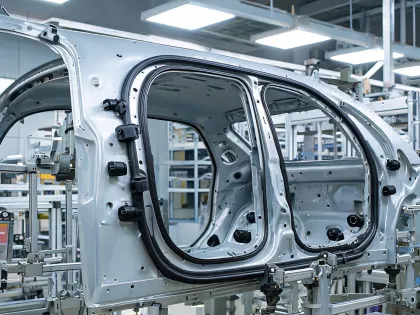
Automotive & mobility
Seals, vibration control, interior soft touch and adhesive systems that need repeatable documentation.
Kraton material intelligence
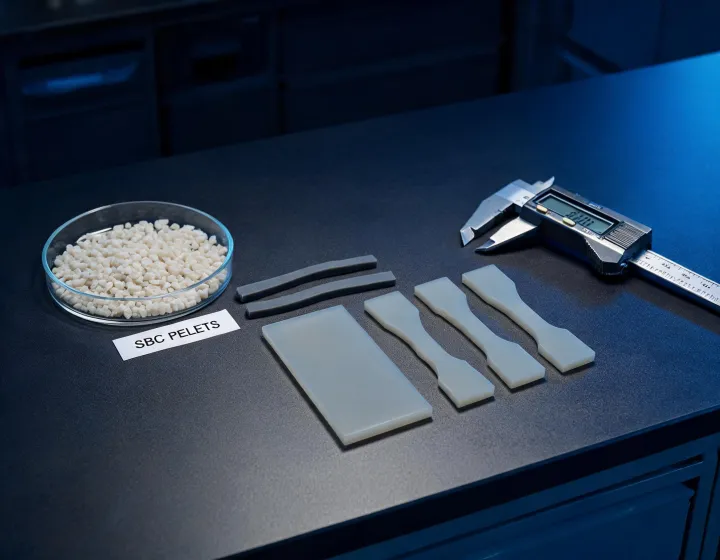
Kraton helps procurement, engineering and quality teams compare material behavior, resin processability and packaging polymer requirements through a disciplined technical review path.
Specification comparison
Kraton structures early material conversations around measurable criteria instead of loose product naming, reducing rework between purchasing, processing engineers and quality teams.
Review begins with Shore hardness, elongation, compression set, chemical exposure, movement profile and expected service interval. Kraton maps those factors to rubber compounds, TPE grades, molded profiles, sheet formats, hose components and sealing applications where fatigue behavior matters.
Resin discussions compare melt flow, viscosity, adhesion, clarity, thermal stability, migration limits and converting trial records. This keeps line stability, regulatory acceptance and cost per converted unit visible beside the nominal material price.
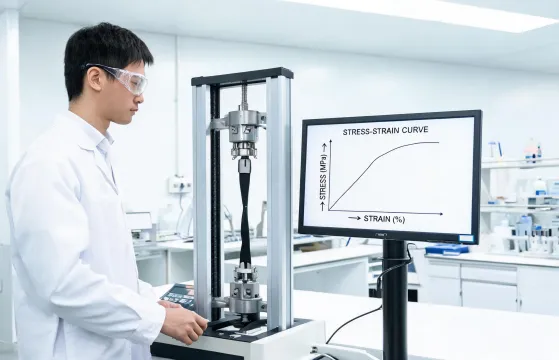
The decision file can include tensile curves, aging notes, peel strength references, REACH and RoHS positions, food-contact considerations and substitution notes for programs that need supplier approval before plant trials.
Technical operating model
Before grade discussion, Kraton frames temperature range, expected movement, contact fluids, substrate surface energy and target service interval so unsuitable materials are removed early.
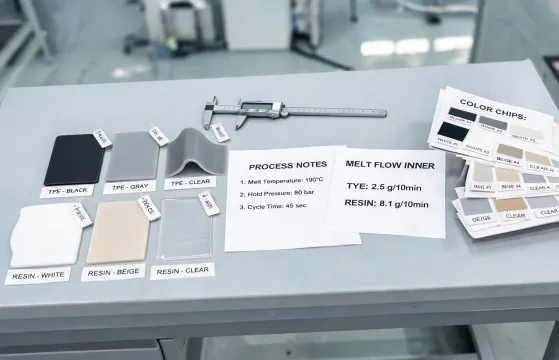
Material recommendations include conversion notes for extrusion, injection molding, coating or laminating so buyers can evaluate the cost of processing, not only the nominal resin price.
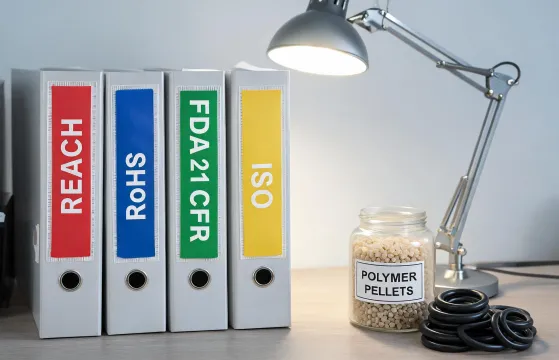
Regulatory conversations are linked to geography, food-contact exposure, automotive documentation, medical risk and customer restricted-substance lists rather than treated as generic certificates.
Application environments
Seals, vibration control, interior soft touch and adhesive systems that need repeatable documentation.
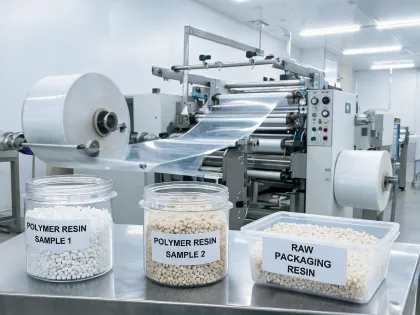
Resins and tackifier systems evaluated for adhesion, clarity, migration and line stability.
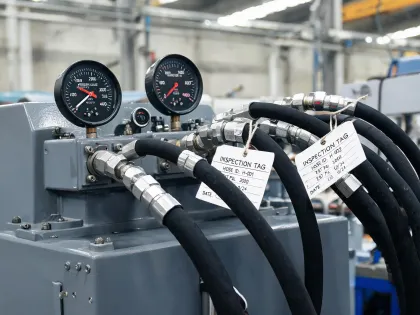
Elastomer choices for hose, profile, sheet and molded part programs exposed to fatigue and fluids.
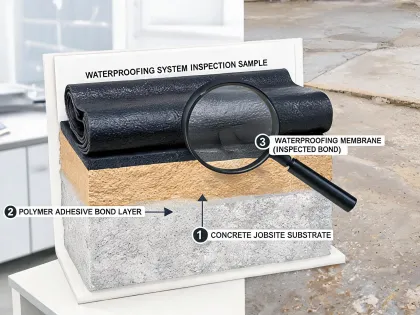
Polymer-modified systems assessed for aging, tack retention, UV exposure and field installation tolerance.
The useful difference was not a broader catalog. It was the way Kraton connected elastomer behavior, converting limits and compliance evidence into one decision file our sourcing committee could actually use.
Senior Materials Manager, global industrial OEM

Share the part function, processing method, target properties, compliance region and forecast volume. The review can start with facts the first time.